In industries where strength, precision, and reliability are paramount, titanium alloy welding wire serves as a critical material for joining components that must withstand extreme operational demands. This specialized welding wire is designed to deliver high‑integrity joints in applications where performance cannot be compromised, making it especially suitable for both aerospace and medical industries. As high‑performance materials continue to drive innovation in these fields, the role of premium welding consumables such as titanium welding wire becomes ever more significant. BYC Ti offers high‑quality titanium alloy welding wires tailored to these demanding sectors, providing manufacturers and engineers with the dependable materials they need to achieve exceptional weld quality and consistent performance.
Titanium Alloy Welding Wire's Role in Aerospace Fabrication
Titanium alloy welding wire is indispensable in aerospace fabrication due to its ability to form strong, corrosion‑resistant, and lightweight joints that uphold the strict safety and performance standards of the industry. Aerospace structures and components, from airframes to hydraulic tubing systems, frequently require materials that can endure high stress, fluctuating temperatures, and aggressive environmental conditions without compromising integrity. The welding wire grades available — including high‑strength titanium alloys like Ti‑6Al‑4V — are optimized for welding processes such as TIG (Gas Tungsten Arc Welding) and MIG (Gas Metal Arc Welding), ensuring consistent arc performance and metallurgical integrity. BYC Ti's titanium alloy welding wire delivers reliable fusion with parent materials, maintaining the mechanical properties necessary for aerospace components that are critical to flight safety and long‑term durability.
Why Titanium Alloy Welding Wire Is Essential for Medical Device Production
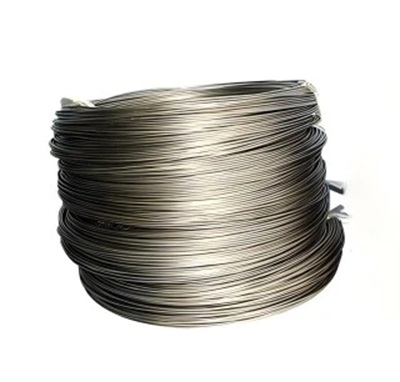
In the medical industry, the use of titanium alloy welding wire is motivated by stringent biocompatibility and corrosion resistance requirements. Medical implants, surgical instruments, and precision devices often rely on titanium alloys because they are biologically inert and well tolerated by the human body. Welding wire used in these applications must not introduce contaminants or compromise the base material's properties. The smooth surface finish, high purity, and precise diameter tolerances of high‑quality titanium welding wire ensure that weld joints meet strict clinical standards and are safe for long‑term implantation or use in medical equipment. For example, titanium alloy welding wire grades such as Ti‑6Al‑4V ELI are specifically recognized for their suitability in medical applications, supporting the fabrication of complex assemblies with dependable structural and biological performance.
Titanium Alloy Welding Wire vs. Alternative Welding Materials
Feature | Titanium Alloy Welding Wire | Alternative Metal Welding Wire |
Corrosion Resistance | Excellent in aggressive and bodily environments | Varies, often lower than titanium |
Strength‑to‑Weight Ratio | High, ideal for aerospace and medical use | Often heavier or less efficient |
Biocompatibility | High, suitable for implants and medical devices | Limited suitability for implants |
Thermal Performance | Maintains integrity at high temperatures | May soften or oxidize more quickly |
Weld Integrity | Produces strong, clean, stable welds | May require additional processing |
This comparison demonstrates why titanium alloy welding wire is preferred for high‑performance welding compared to many alternative materials: it offers superior corrosion resistance and strength while meeting the biocompatibility standards required for medical applications and the demanding mechanical requirements of aerospace fabrication.
How Titanium Alloy Welding Wire Supports Cutting‑Edge Manufacturing
In advanced manufacturing environments, the precision and reliability of titanium alloy welding wire are crucial for maintaining tight tolerances and ensuring that welded structures perform as designed. Whether used in the construction of lightweight aerospace components or in the assembly of high‑precision medical implants, this welding wire contributes to manufacturing workflows that demand repeatability and long‑term stability. High‑quality titanium welding wire is manufactured with strict diameter control, bright oxide‑free surfaces, and clean packaging to prevent contamination — features that support consistent weld quality and minimize defects. In applications where failure is not an option, these characteristics help maintain production integrity and support the stringent qualification processes required in regulated industries.
Choosing a Reliable Partner Among Titanium Wire Manufacturers
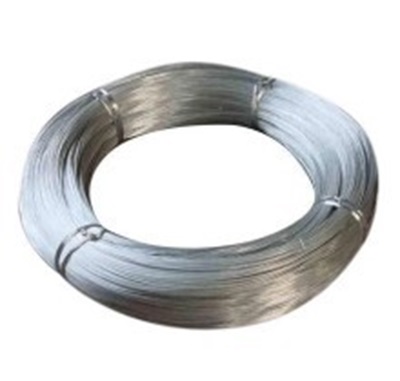
Selecting the right titanium wire manufacturers is as important as choosing the correct welding consumable itself. Reputable manufacturers not only provide welding wire with consistent chemical composition and dimensional accuracy but also ensure that production processes adhere to industry standards for purity and performance. When sourcing titanium alloy welding wire, aerospace and medical product designers seek partners who can deliver materials engineered for critical applications, offer support for specific welding techniques, and maintain rigorous quality controls. A trusted manufacturer will provide detailed specifications and traceability documentation that help customers achieve compliance with internal quality systems and external regulatory requirements, ultimately ensuring that the final welded products perform reliably in their end‑use environments.
References
 English
  日本語
日本語  한국어
한국어  Deutsch
  русский
  العربية