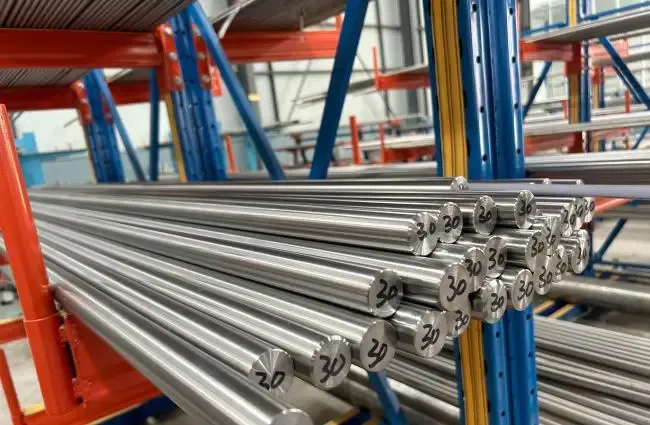
In high-purity pharmaceutical pump systems, the titanium impeller serves as a cornerstone component that combines exceptional material properties with precision engineering to support fluid transfer where contamination-free and corrosion-resistant performance are critical. Titanium impellers manufactured by BYC Ti leverage advanced manufacturing processes such as 5-axis CNC machining and tailored alloy selection to meet the demands of sensitive pharmaceutical environments, ensuring that fluid handling remains reliable and precise. By integrating aerospace-grade titanium alloys and rigorous quality practices, these impeller components elevate the standards of pump performance, especially in applications where long service life and particle-free operation are fundamental to product quality and safety.
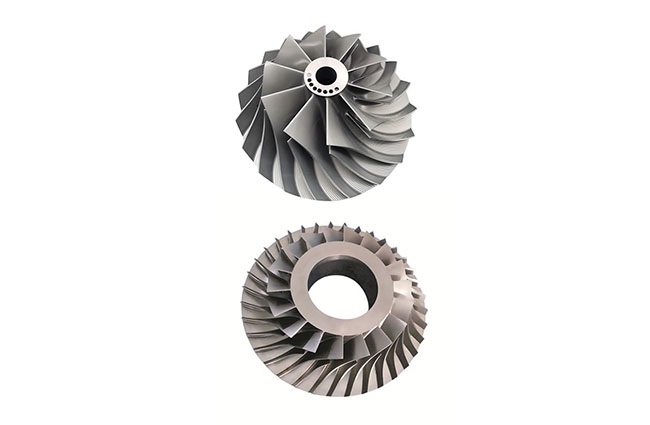
Titanium Impeller Material Properties for Pharmaceutical Fluid Systems
The inherent properties of titanium make a titanium impeller particularly suited to high-purity pharmaceutical pumps. Titanium alloys demonstrate a unique combination of strength, corrosion resistance, and biocompatibility, which is essential for handling pharmaceutical fluids that must remain uncontaminated throughout processing. Titanium's corrosion resistance rivals that of noble metals, allowing impellers to withstand aggressive cleaning agents, sterilization procedures, and long-term exposure to chemical media without degrading. This ensures that pharmaceutical pumps deliver consistent flow rates and maintain their integrity even in stringent operating environments. The lightweight nature of titanium also reduces dynamic imbalance and contributes to stable pump operation at high rotational speeds, a key factor in maintaining smooth and efficient fluid transport in medical and laboratory settings.
How Does Titanium Impeller Suit High-Purity Pharmaceutical Pumps?
The suitability of a titanium impeller in high-purity pharmaceutical pumps stems from its ability to support sterile and precise fluid transfer. In pharmaceutical processing, the movement of solutions and active ingredients must occur without particulate contamination, which can compromise product safety and efficacy. Titanium impellers achieve this by combining smooth surface finishes with corrosion-resistant alloys that resist pitting, flaking, or reaction with the conveyed media. This characteristic is particularly important where pumps are routinely cleaned, subjected to sterilization cycles, or used with high-purity formulations that demand inert material interfaces. As part of a high-purity pump assembly, titanium impellers deliver dependable performance that aligns with regulatory expectations for pharmaceutical production equipment, while also supporting the operational reliability of critical systems.
Titanium Impeller vs. Stainless Steel Impeller in High-Purity Applications
Feature | Titanium Impeller | Stainless Steel Impeller |
Corrosion Resistance | Excellent in aggressive media | Good, but susceptible to certain chemicals |
Biocompatibility | High, suitable for sterile environments | Moderate, may require special coatings |
Weight | Lightweight supports high-speed operation | Heavier, can increase vibration |
Surface Integrity | Stable under sterilization cycles | May degrade over repeated cycles |
Longevity in Purity Systems | Long service life with minimal rework | May need replacement sooner |
This comparison highlights why a titanium impeller is often preferred in high-purity pharmaceutical pumps: its superior resistance to corrosive and cleaning environments minimizes the risk of contamination and supports consistent, long-term operation — features that are vital in medical fluid handling systems.
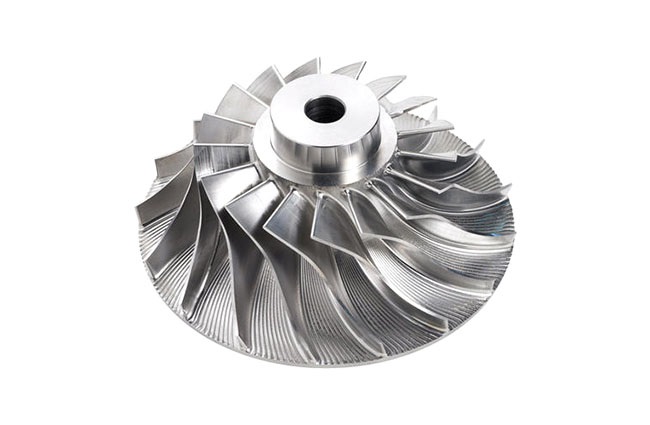
Design and Manufacturing Considerations of Titanium Impeller
Producing a high-quality titanium impeller for pharmaceutical pumps requires a combination of precise machining and meticulous quality control. Manufacturers like BYC Ti utilize state-of-the-art CNC machining technology to achieve tight tolerances, balanced blade profiles, and flawless surface finishes critical to pump performance. These design and manufacturing controls ensure that the impeller delivers uniform fluid acceleration and minimal turbulence — both of which are essential for maintaining the integrity of high-purity fluid streams. Additionally, rigorous inspection processes such as dynamic balancing and surface validation ensure that each titanium impeller contributes to quiet, vibration-free operation in sensitive environments where reliability cannot be compromised.
Integration of Titanium Impeller in Pharmaceutical Pump Systems
Integrating a titanium impeller into a pharmaceutical pump system enhances overall equipment performance and reliability. The compatibility of titanium with various pharmaceutical cleaning agents and sterilization methods means that pump systems can operate longer between maintenance cycles, reducing downtime and supporting continuous production. In applications ranging from sterile water transfer to the handling of biologics and APIs (Active Pharmaceutical Ingredients), titanium impellers help maintain consistent flow and pressure control, which are critical for precise dosing and processing tasks. As industries continue to advance quality standards, the adoption of titanium impellers in high-purity pumps underscores a commitment to excellence in fluid handling and process integrity.
References
 English
  日本語
日本語  한국어
한국어  Deutsch
  русский
  العربية