3D Printing Titanium Wire Details
3D Printing Titanium Wire Diameter Specifications (Tolerance ±0.02mm)
φ1.0mm High-precision micro-parts, thin-walled structures, fine-pattern printing
φ1.2mm Standard-precision structural parts, medium-complexity components
φ1.6mm Universal specification balancing precision and efficiency
φ2.0mm Large parts, thick-walled structures, rapid deposition molding
φ2.5mm Heavy-duty structural parts, high-efficiency printing for mass production
φ3.0mm Extra-large components, rapid blank molding
3D Printing Titanium Wire Packaging Forms
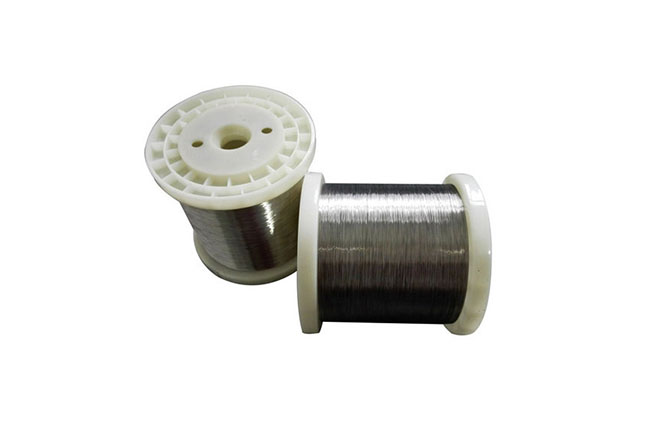
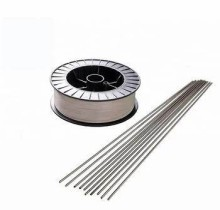
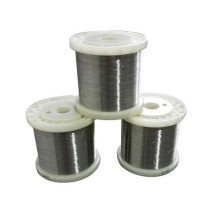
Spooled Wire: Spool diameters of 100mm/200mm/300mm/500mm, compatible with automated wire-feeding 3D printing equipment. Ensures stable continuous wire feeding and reduces joint loss.
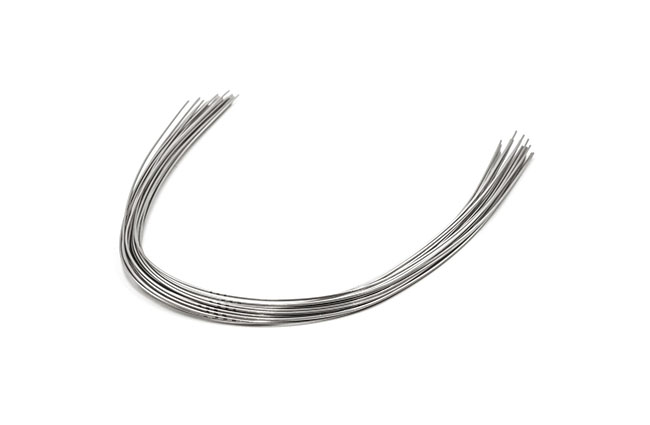
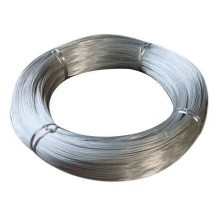
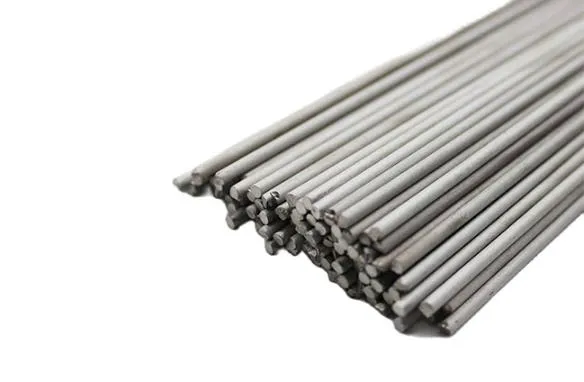
Straight Wire: 1m/2m/3m per piece, single-piece weight 0.5kg-2kg. Suitable for manual printing, small-scale custom equipment or special scenarios requiring extremely high wire-feeding precision, enabling accurate cutting.
3D Printing Titanium Wire Surface Treatment
Bright annealing and cleaning treatment. The surface is free of oxide scale, oil stains and scratches, ensuring smooth feeding without jamming and strong interlayer bonding during printing.
3D Printing Titanium Wire Application Scenarios
1. Medical and Healthcare Field
Custom artificial joints (hip joints, knee joints), orthopedic implants (bone plates, bone screws), dental implants, denture frameworks, etc. The porous structure design promotes bone tissue ingrowth and enhances implant stability. It meets ISO 10993 medical standards for biocompatibility, with no heavy metal leaching, resistance to corrosion by human body fluids and long service life.
2. Aerospace Field
UAV components, satellite lightweight structural parts, aircraft interior parts, non-critical load-bearing parts of engines, etc. Achieves component lightweight (40% lighter than traditional steel) while meeting usage requirements in high-altitude, low-temperature and corrosive environments. It has a high strength-to-weight ratio and excellent fatigue resistance, which can replace some expensive aerospace alloys and reduce manufacturing costs.
3. Industrial Manufacturing Field
Mold cavities, tooling fixtures, custom mechanical parts, corrosion-resistant equipment components (chemical industry, marine engineering), etc. Complex structures can be formed in one piece, shortening the R&D and production cycles. It offers high molding freedom and can manufacture hollow and lattice structures that are difficult to achieve with traditional processing, improving part functionality.
4. Other Fields
High-end medical devices, precision instrument parts, automotive lightweight components, artistic creations (metal sculptures, custom jewelry), etc.
3D Printing Titanium Wire Production Process
As one of the leading titanium wire manufacturers, we adopt primary sponge titanium raw materials, which are purified through vacuum arc melting to ensure material purity. Multiple passes of hot forging and hot rolling are performed to control deformation and temperature, optimizing the internal grain structure of the metal. The roller die wire drawing process is adopted, with multiple progressive drawing passes to control the wire diameter tolerance within ±0.02mm, ensuring dimensional uniformity. Precise temperature control (650-750℃) is carried out in a vacuum annealing furnace to eliminate internal stress and improve the plasticity and stability of the wire. Each batch of products undergoes chemical composition analysis, mechanical property testing, dimensional accuracy inspection and surface quality inspection, with an attached test report to ensure quality compliance.
 English
  日本語
日本語  한국어
한국어  Deutsch
  русский
  العربية