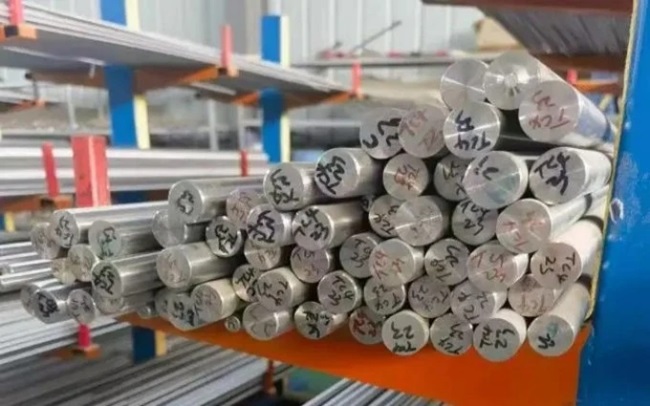
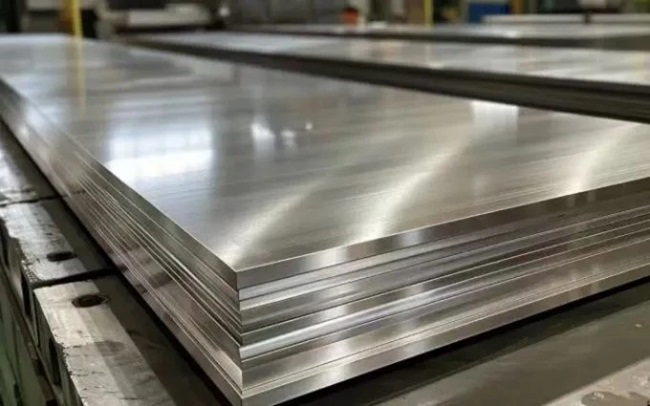
When selecting titanium machined parts, understanding the unique qualities of titanium and the capabilities of a trusted titanium machining manufacturer is essential for ensuring performance, durability, and precision in your applications. Titanium alloys are celebrated for their exceptional strength‑to‑weight ratio, corrosion resistance, and adaptability across aerospace, medical, marine, and industrial industries. At BYC Ti, the range of titanium products extends from rods, plates, and tubes to custom CNC machined components, delivering high dimensional accuracy and performance reliability suitable for demanding engineering environments. The robust manufacturing processes and expertise of a seasoned machining partner support the transformation of raw titanium materials into precision parts tailored to specific engineering challenges.
Titanium Machined Parts and Material Performance
Titanium machined parts are distinguished by the inherent properties of their base material, which make them ideal for high‑performance applications. Titanium alloys combine impressive tensile strength with lightweight characteristics, resulting in parts that can withstand rigorous operational demands without excessive bulk. These parts exhibit excellent resistance to corrosion in environments that range from marine to chemical processing systems, contributing to longevity and reliability in critical components. The choice of titanium grade—whether for structural fasteners, seamless tubes, or complex CNC machined shapes—plays a decisive role in how these characteristics are expressed in the final part, so understanding the required performance criteria is vital when specifying components.
What Should You Consider When Working with a Titanium Machining Manufacturer?
Selecting the right titanium machining manufacturer requires attention to several performance and process‑related factors to ensure successful production outcomes. A capable manufacturer must possess advanced CNC machining technology, skilled operators, and thorough quality control measures to handle titanium's unique machining challenges. Because titanium has low thermal conductivity and a strong tendency to work harden, machining it effectively demands appropriate tooling, controlled cutting speeds, and optimized feed rates to maintain part precision and surface integrity throughout production. Aligning your design requirements with a manufacturer that has demonstrated expertise in titanium machining ensures that your parts meet tolerance specifications and performance expectations without compromise.
Titanium Machined Parts vs. Standard Metal Components
Feature | Titanium Machined Parts | Standard Metal Components |
Strength‑to‑Weight Ratio | Exceptional, ideal for high‑performance use | Generally lower, heavier for equivalent strength |
Corrosion Resistance | Outstanding, suitable for extreme environments | Varies; often needs protective coatings |
Thermal Conductivity | Lower, requiring specific machining strategies | Higher, easier thermal management |
Dimensional Precision | High with precision CNC machining | Varies with material and process |
Industrial Adaptability | Widely used in aerospace, medical, marine | Common in general engineering applications |
This comparison highlights how titanium machined parts provide significant advantages in strength, corrosion resistance, and precision that are crucial for advanced engineering needs, whereas standard metals may fall short in environments requiring both high performance and durability.
Applications and Suitability of Titanium Machined Parts
The versatility of titanium and its alloys makes titanium machined parts well‑suited to a broad array of applications. In the aerospace sector, titanium's lightweight strength helps improve fuel efficiency and withstands the significant stress experienced by critical components. Medical and healthcare industries leverage titanium's biocompatibility and corrosion resistance for implants and surgical instruments, where material performance directly impacts patient outcomes. In marine and chemical processing contexts, titanium's robustness and resistance to corrosive media ensure reliability over long service periods. The ability to produce custom titanium parts that meet specific geometries and performance criteria underscores the strategic advantage of partnering with a proficient machining manufacturer capable of tailoring parts to diverse application demands.
Final Thoughts on Choosing Quality Titanium Machined Parts
Selecting high‑quality titanium machined parts involves balancing material properties, machining precision, and application demands to achieve a solution that performs under real operating conditions. Working with an experienced titanium machining manufacturer ensures access to advanced machining technology, rigorous quality standards, and responsiveness to bespoke design specifications. By understanding the unique properties of titanium and the machining expertise required to produce precision components, engineers and product designers can make informed decisions that enhance system performance and longevity. Whether crafting critical aerospace components, medical devices, or specialized industrial parts, the decision to use titanium and a capable machining partner sets the foundation for success in demanding engineering environments.
References
 English
  日本語
日本語  한국어
한국어  Deutsch
  русский
  العربية