Titanium alloys play a critical role in industries that require a combination of strength, corrosion resistance, and low weight. Among the many options available, Grade 5 titanium (Ti-6Al-4V) and Grade 9 titanium (Ti-3Al-2.5V) stand out as two of the most commonly used materials. Although they share several properties, they differ in strength, workability, and cost, which makes each alloy more suitable for particular use cases. This guide explains the key distinctions between Grade 9 and Grade 5 titanium to help you select the most practical and cost-effective solution.
What Is Grade 5 Titanium (Ti-6Al-4V)?
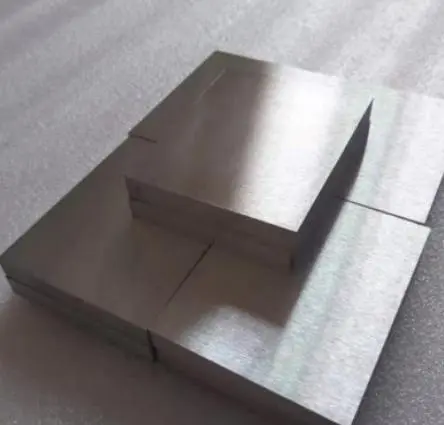
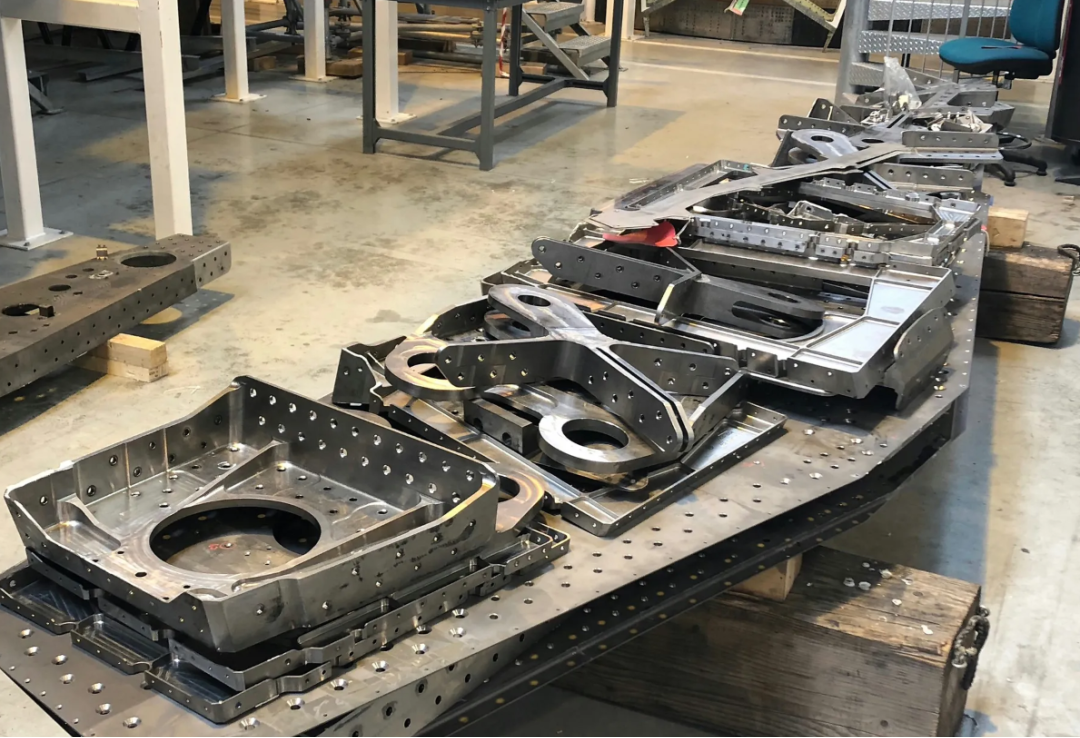
Grade 5 titanium, often referred to as Ti-6Al-4V or “6-4 titanium,” is the most widely used titanium alloy. It is known for its high tensile and shear strength, as well as excellent resistance to elevated temperatures. These properties make it a preferred material in demanding industries such as aerospace and medical device manufacturing, where reliability is essential. It is typically supplied in plate or sheet form and is not suitable for cold forming processes. Due to its strength and durability, Grade 5 is commonly selected for applications where structural integrity and performance cannot be compromised.
What Is Grade 9 Titanium (Ti-3Al-2.5V)?
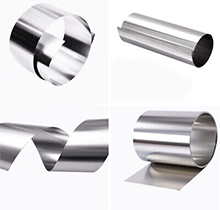
Grade 9 titanium, also known as Ti-3-2.5, offers a balanced combination of strength and formability. While it is not as strong as Grade 5, it still provides greater strength than commercially pure titanium. Its excellent ductility allows it to be easily formed and shaped at room temperature, making it highly versatile in manufacturing. Grade 9 is available in a wider range of product forms, including coils, strips, wires, and thin foils. In addition, it offers strong corrosion resistance and is generally easier and more cost-effective to process, making it well suited for applications that require precision and efficiency.
Grade 9 vs Grade 5 Titanium: Key Differences
Strength Comparison
Grade 5 titanium offers significantly higher strength, which makes it ideal for applications involving heavy loads or high stress. In contrast, Grade 9 provides sufficient strength for many general-purpose uses while offering better flexibility. For example, Grade 5 is often used in load-bearing implants, whereas Grade 9 is commonly applied in tubing or thin-walled components where extreme strength is not required.
Formability and Workability
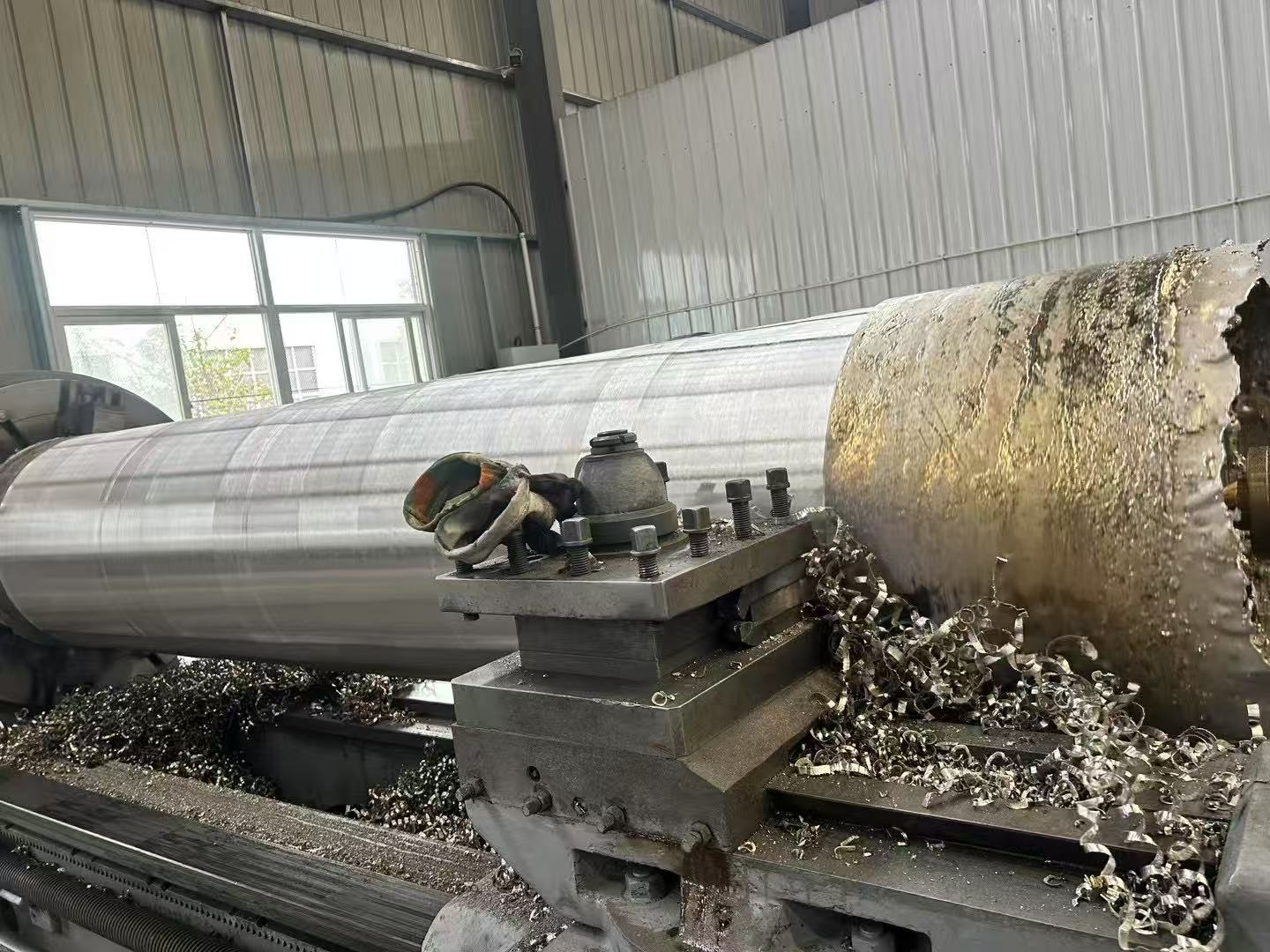
One of the most important differences lies in how each alloy can be processed. Grade 5 cannot be cold worked and typically requires machining or hot forming techniques, which can increase complexity and cost. Grade 9, on the other hand, can be easily stamped, drawn, and rolled into thin sections, making it far more adaptable for manufacturing processes, especially in high-volume production environments.
Cost and Manufacturing Efficiency
From a cost perspective, Grade 5 tends to involve higher production expenses due to more complex processing and greater material waste. Grade 9 supports more efficient manufacturing methods such as coil processing, which helps minimize waste and enables streamlined, just-in-time production. As a result, selecting Grade 9 when appropriate can significantly reduce overall manufacturing costs.
Availability and Product Forms
Grade 5 is primarily available in plate and sheet formats, which can limit its flexibility in certain applications. In contrast, Grade 9 is offered in a broader range of forms, including coils, strips, wires, and ultra-thin foils. This wider availability makes Grade 9 more adaptable to modern manufacturing needs that demand precision and versatility.
Category | Grade 5 Titanium (Ti-6Al-4V) | Grade 9 Titanium (Ti-3Al-2.5V) |
Strength Comparison | Significantly higher strength; ideal for heavy loads and high-stress applications such as load-bearing implants | Moderate-to-high strength; sufficient for most applications with added flexibility; commonly used for tubing and thin-walled components |
Formability and Workability | Cannot be cold worked; requires machining or hot forming, increasing complexity and cost | Easily stamped, drawn, and rolled into thin sections; highly suitable for high-volume manufacturing |
Cost and Manufacturing Efficiency | Higher production costs due to complex processing and greater material waste | More efficient processing (e.g., coil production), reduced waste, supports just-in-time manufacturing, and lowers overall costs |
Availability and Product Forms | Primarily available in plate and sheet form, limiting flexibility | Available in coils, strips, wires, and ultra-thin foils; offers greater versatility for modern manufacturing |
Welding and Fabrication Considerations
Both Grade 5 and Grade 9 titanium require controlled environments and advanced welding techniques, such as TIG or electron beam welding, to achieve high-quality results. However, Grade 9 is generally easier to fabricate and handle due to its better formability. Grade 5 requires stricter control and more specialized processing to maintain its properties. In all cases, proper cleaning and shielding are essential to prevent contamination during fabrication.
Applications of Grade 5 Titanium
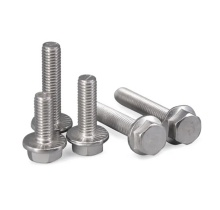
Grade 5 titanium is best suited for high-performance applications where strength and reliability are critical. It is widely used in aerospace structural components, biomedical implants that require bone-like mechanical properties, and environments involving high temperatures. It is also commonly found in fasteners, high-stress mechanical parts, and performance-oriented bicycle components.
Applications of Grade 9 Titanium
Grade 9 titanium is ideal for applications that require a balance of strength, flexibility, and cost efficiency. It is frequently used in medical devices such as pacemakers, as well as in hydraulic and aerospace tubing. Other applications include honeycomb structures, wire products, and thin-gauge components. It is also popular in sporting goods, including golf club shafts and tennis racquets, where lightweight performance and durability are important.
How to Choose Between Grade 9 and Grade 5 Titanium
Selecting between Grade 9 and Grade 5 titanium depends on the specific requirements of your application. Grade 5 is the better choice when maximum strength is needed for handling extreme loads. Grade 9 is more suitable when formability and ease of shaping are priorities. For large-scale production, Grade 9 offers advantages in manufacturing efficiency, while it also provides cost savings compared to Grade 5. Additionally, its availability in multiple forms makes it a more versatile option for a wide range of designs.
Which Titanium Alloy Is Better?
There is no single alloy that is universally superior; the best choice depends entirely on the application. Grade 5 titanium remains essential for demanding, high-stress environments where maximum performance is required. Meanwhile, Grade 9 titanium is increasingly favored by manufacturers seeking a practical balance of strength, flexibility, and cost efficiency. In many situations, opting for Grade 9 instead of Grade 5 can lower production costs without sacrificing performance, making it a smart and scalable choice for modern engineering needs.
 English
  日本語
日本語  한국어
한국어  Deutsch
  русский
  العربية