Titanium alloys are metallic materials composed mainly of titanium blended with elements like aluminum, vanadium, molybdenum, iron, and nickel. These engineered combinations optimize mechanical and chemical performance, making the alloys versatile for use in demanding engineering fields. Unlike pure titanium—which is relatively soft and ductile—titanium alloys achieve much higher strength, adaptability, and durability. Depending on formulation, their properties can be tailored to emphasize lightweight strength, corrosion resistance, and stability at high temperatures.
What Titanium Alloys Are Made Of
Titanium alloys are designed by adding specific elements to titanium in controlled amounts to enhance performance. Aluminum strengthens the metal through solid solution hardening while reducing weight, forming a key part of alpha and alpha-beta alloys such as Ti-6Al-4V. Vanadium enhances ductility, stabilizes the beta phase, and improves heat treatment response. Molybdenum strengthens alloys at high temperatures and prevents creep, while also stabilizing the beta phase in variants like Ti-6246. Iron serves as a cost-effective strength booster and beta stabilizer, desirable for industrial applications. Zirconium enhances corrosion resistance and mechanical stability without greatly affecting weldability. Additional elements such as tin, chromium, or niobium may be added to boost oxidation resistance or to produce specialized strength characteristics for customized applications.
Key Properties of Titanium Alloys
Titanium alloys are known for their exceptional strength-to-weight ratio, being roughly 40% lighter than steel while offering similar or greater strength. This balance makes them valuable for aerospace and automotive applications where minimizing mass is critical. Their natural oxide coating offers excellent corrosion resistance, protecting the metal in marine and chemical environments. Certain grades maintain mechanical strength even beyond 600°C (1112°F), making them useful in high-temperature applications. They are also biocompatible and non-toxic, which is why they are commonly used for surgical implants and medical devices. Since titanium alloys are non-magnetic and have low thermal expansion, they are ideal for precision instruments requiring dimensional stability.
Types of Titanium Alloys
Titanium alloys are classified by their microstructure into three categories: alpha, beta, and alpha-beta. Alpha alloys, which cannot be strengthened by heat treatment, are valued for their weldability and corrosion resistance, especially in marine and cryogenic conditions. Beta alloys can be heat-treated to achieve very high strength and good formability, making them suitable for aerospace and industrial uses. The most common category, alpha-beta alloys, strikes a balance between toughness, strength, and workability. The best-known member of this group, Ti-6Al-4V (Grade 5), accounts for over half of global titanium alloy production.
The Strongest Titanium Alloys
For applications requiring maximum strength, alloys like Ti-6Al-2Sn-4Zr-6Mo (Ti-6246) and Ti-10V-2Fe-3Al stand among the strongest. Ti-6246 combines tensile strength above 1,200 MPa with excellent creep resistance and temperature stability up to about 427°C (800°F), making it perfect for jet engine and airframe parts. Ti-10V-2Fe-3Al, a beta alloy, provides superior strength-to-weight ratio and hardenability, often used in landing gear and structural aerospace components. However, due to their toughness and abrasiveness, these advanced alloys are more difficult to machine, increasing production costs—but this is often offset by their superior durability and reliability under extreme conditions.
Grades of Titanium Alloys
Titanium products are divided into commercially pure and alloyed grades. Grades 1 through 4 contain nearly pure titanium, becoming progressively stronger across the range and used in marine, chemical, and medical environments. Grade 5 (Ti-6Al-4V) is the most common alloy, offering a balanced set of high strength, light weight, and good corrosion resistance. Grade 9 (Ti-3Al-2.5V) offers easier formability, making it ideal for tubing and structural parts. Grade 23 (Ti-6Al-4V ELI) features low interstitial impurities, giving it superior ductility for surgical implants and cryogenic applications.
Benefits of Titanium Alloys
Titanium alloys stand out for combining low weight with tremendous strength, allowing substitution for heavier materials without losing load capacity. Their durability under heat, corrosion, and chemical attack makes them indispensable in aerospace, marine, and chemical processing sectors. Biocompatibility ensures their safe use in long-term medical implants. While initial production costs are relatively high, their longevity and minimal maintenance reduce total lifecycle expenses, delivering excellent long-term value in both industrial and biomedical products.
Why Machining Titanium Alloys Is Challenging
Machining titanium alloys presents several difficulties due to their physical properties. The metal’s low thermal conductivity causes heat to concentrate near cutting tools, accelerating wear and risking part damage. Titanium also reacts chemically at high temperatures, sticking to tools and degrading surface finish. Its strength and elasticity require rigid setups to counter deflection and vibration, while its tendency to harden during cutting complicates subsequent passes. These characteristics demand specialized machining strategies and equipment for accurate, consistent results.
Effective Machining Practices
Efficient machining of titanium alloys depends on using suitable tools and techniques. Carbide, ceramic, or polycrystalline diamond (PCD) tools resist heat and wear far better than conventional ones. High-pressure cooling systems help dissipate localized heat and prevent material adhesion. Cutting speeds should remain moderate while maintaining higher feed rates and shallower depths to minimize friction and distortion. Ensuring machine rigidity by using short, stable tool setups and vibration-damping holders is vital. Advanced toolpath strategies such as high-efficiency or trochoidal milling can further optimize performance. Careful inspection and timely tool replacement maintain dimensional accuracy, and pre-treatments like annealing can reduce material stress before machining.
Applications of Titanium Alloys
Titanium alloys have extensive use across multiple sectors. In aerospace, they form engine components, airframes, and fasteners where strength and weight efficiency matter most. In medical applications, their compatibility with human tissue makes them ideal for implants and surgical tools. Titanium’s resistance to saltwater corrosion also supports its use in marine piping, heat exchangers, and underwater structures. In the energy sector, titanium components withstand high pressure, temperature, and chemically aggressive conditions in oil, gas, and power generation equipment.
Welding Titanium Alloys
Welding titanium requires precise atmospheric control since the metal easily reacts with oxygen, nitrogen, and hydrogen at high temperatures, leading to brittleness and strength loss. To prevent contamination, welding operations use high-purity inert gas shielding—usually argon or helium—until the joint cools completely. Tungsten inert gas (TIG) welding is favored in aerospace and medical applications for its precision, while laser and plasma welding offer efficiency advantages for automated manufacturing. Maintaining perfect surface cleanliness is critical; even minor contaminants can compromise weld quality. In critical production environments, welding often occurs within enclosed, protected chambers to ensure full shielding integrity.
Heat Treatment of Titanium Alloys
Many titanium alloys, particularly alpha-beta and beta types, can be heat-treated to improve strength, hardness, and fatigue resistance. These thermal processes refine the internal structure, reduce stress, and enhance reliability. Common treatments include annealing to increase ductility, stress relief to restore dimensional stability, and solution treatment followed by aging to produce fine strengthening precipitates. Properly executed heat treatment significantly boosts fatigue life and minimizes distortion, making it essential for components exposed to cyclic loads in aerospace and biomedical engineering.
Titanium in Manufacturing
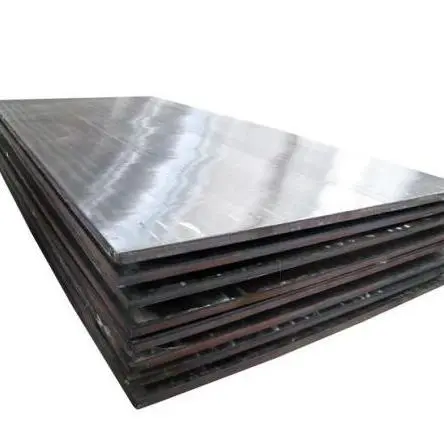
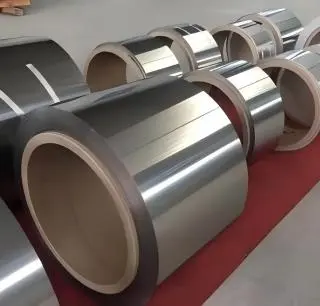
Processing titanium requires advanced manufacturing techniques due to its reactivity and mechanical toughness. CNC machining remains the standard for precision components, though it demands durable cutting tools and careful process control. Forging improves grain structure and mechanical integrity, producing the strongest and most resilient parts used in aerospace and orthopedic implants. Casting titanium is less common but achievable through specialized vacuum or inert-gas investment methods used in aerospace and high-performance automotive industries. Forming titanium sheet requires pre-heating and specific tooling to manage its limited ductility and springback behavior. Additive manufacturing, such as Direct Metal Laser Sintering, now offers innovative solutions—creating lightweight, intricate titanium parts with minimal waste and shorter production cycles, ideal for high-performance and custom-engineered designs.
 English
  日本語
日本語  한국어
한국어  Deutsch
  русский
  العربية