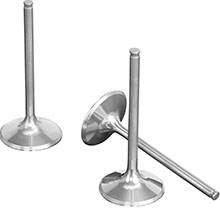
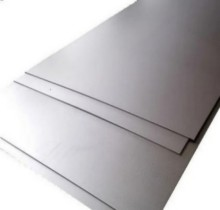
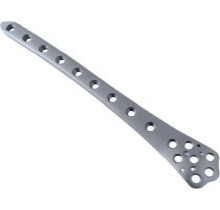
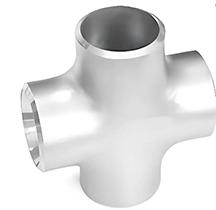
For aerospace, chemical processing, marine, medical, and industrial manufacturing, titanium is valued for its high strength-to-weight ratio, corrosion resistance, and reliable performance in demanding environments. However, buyers often need to decide whether to purchase billets, forged stock, or finished titanium blocks for machining and production.
The right choice depends on material grade, size, manufacturing route, inspection requirements, and the amount of machining required before final use. Understanding these factors can help industrial buyers reduce waste, control procurement costs, and select material that better matches the application.
BYC Titanium supplies titanium materials for different industrial requirements and supports customers with grade selection, size customization, and material preparation for downstream machining.
Titanium Blocks vs Titanium Billets
Titanium blocks and titanium billets are both semi-finished titanium products, but they usually differ in shape, processing stage, and intended downstream use.
A titanium billet is commonly used as feedstock for further forging, rolling, extrusion, or machining, while a titanium block is often supplied in a more application-oriented rectangular or square form for direct machining.
| Factor | Titanium Blocks | Titanium Billets |
|---|
| Typical shape | Rectangular or square | Round, square, or other semi-finished forms |
| Main use | Direct machining and component production | Further forming or processing |
| Machining readiness | Higher | Usually requires additional processing |
| Procurement focus | Size, tolerance, grade, surface | Grade, diameter, processing route |
For buyers who need a titanium metal block for CNC machining or component production, starting with a shape closer to the final geometry can reduce unnecessary machining time and material loss.
Forged, Rolled and Machined Titanium Blocks
Titanium blocks can be produced through forging, rolling, or machining, and each route affects mechanical properties, dimensional accuracy, and procurement cost.
The manufacturing method should be selected according to the final application rather than price alone.
Forged titanium block: Forging can improve structural integrity and is commonly selected for demanding mechanical applications where strength and internal quality are important.
Rolled titanium block: Rolled material is suitable for applications requiring controlled thickness and consistent material properties.
Machined titanium block: Machined blocks provide tighter dimensions and can reduce downstream processing when buyers need near-finished stock.
For critical applications, a titanium forged block may be preferred when mechanical reliability is more important than minimizing initial material cost.
Titanium Block Grade, Size and Inspection Requirements
Titanium block procurement should begin with the correct grade, dimensions, tolerance, surface condition, and inspection requirements.
Different titanium grades provide different combinations of strength, corrosion resistance, and machinability.
Important procurement details include:
Grade: Select the titanium grade according to mechanical, corrosion, and temperature requirements.
Dimensions and tolerance: Specify length, width, thickness, and allowable dimensional variation.
Surface condition: Clarify whether mill finish, machined surface, or another condition is required.
Inspection requirements: Chemical composition, mechanical properties, ultrasonic testing, or material certification may be required depending on the project.
Machining allowance: Extra stock should be sufficient for finishing without creating excessive waste.
Providing these requirements clearly helps suppliers prepare material more accurately and reduces the risk of rework after delivery.
What Determines Titanium Block Price?
Titanium block price is determined by material grade, dimensions, processing method, inspection requirements, order quantity, and the amount of machining required.
Higher-strength or specialized titanium grades generally involve more demanding production and quality requirements. Larger cross-sections can also affect the manufacturing route and inspection process, especially when buyers require forged material with controlled internal quality.
Processing has a significant impact on titanium block cost. A rough forged block may have a lower processing cost at the supplier stage, but the buyer may need to remove more material during machining. A near-net machined block can cost more initially while reducing machining time and scrap.
Inspection and certification requirements also influence price. Aerospace or other critical applications may require additional testing, documentation, and traceability compared with general industrial use.
When comparing a titanium block for sale, buyers should therefore evaluate total usable material cost rather than only the quoted price per kilogram.
How to Reduce Material Waste in Titanium Block Procurement
Material waste can be reduced by matching the titanium block dimensions, grade, and processing condition more closely to the final component.
Titanium is a relatively high-value material, so excessive machining allowance can significantly increase total production cost.
Practical ways to improve material utilization include:
Choose near-net dimensions: Purchase blocks closer to the required finished size whenever practical.
Match grade to application: Avoid specifying a higher-cost grade when the application does not require its additional performance.
Control machining allowance: Allow enough material for finishing without ordering excessive stock.
Optimize order quantities: Consolidating repeat sizes or production batches can improve procurement efficiency.
These decisions can reduce scrap, shorten machining time, and lower the effective cost of each finished component.
Why Choose BYC Titanium for Titanium Blocks?
BYC Titanium supports industrial buyers with titanium block supply, material selection, customized dimensions, and quality-focused production.
For B2B procurement, consistency is as important as availability. Buyers need material that matches specified grades, dimensions, and downstream manufacturing requirements.
BYC Titanium works with customers requiring titanium materials for machining, fabrication, and industrial production. By understanding the intended application before supply, the company can help buyers select more appropriate material forms and avoid unnecessary processing.
For recurring or project-based orders, accurate specifications and stable material preparation can also help simplify production planning and quality control.
Conclusion
Choosing the right titanium blocks requires more than comparing dimensions and price. Buyers should evaluate grade, manufacturing route, machining allowance, inspection requirements, and the amount of usable material that will remain after processing.
Forged, rolled, and machined blocks each provide different advantages, and the most economical option depends on the final component and production process. Understanding what drives titanium block price can help procurement teams make better decisions based on total manufacturing cost rather than initial material cost alone.
BYC Titanium provides titanium material solutions for industrial customers requiring reliable grades, customized sizes, and consistent supply.
Frequently Asked Questions
1. What is the difference between titanium blocks and billets?
Titanium blocks are often supplied in rectangular or square forms for direct machining, while billets are commonly semi-finished materials intended for further forging, rolling, or machining.
2. What grades are commonly used for titanium blocks?
The correct grade depends on the application. Buyers should select the grade based on strength, corrosion resistance, temperature, and certification requirements.
3. Are forged titanium blocks better than machined blocks?
Not necessarily. Forged blocks may be preferred for demanding mechanical applications, while machined blocks can provide tighter dimensions and reduce downstream processing.
4. What affects titanium block price?
Grade, size, manufacturing method, machining, inspection requirements, certification, and order quantity can all affect price.
5. How should I choose titanium block dimensions?
Choose dimensions that provide enough machining allowance while staying as close as practical to the finished component size.
6. Why is material utilization important when buying titanium?
Poor material utilization increases scrap and machining time. Selecting near-net dimensions can reduce the total cost of producing finished titanium components.
 English
  日本語
日本語  한국어
한국어  Deutsch
  русский
  العربية