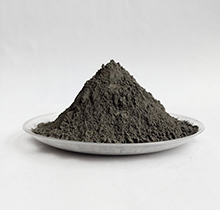
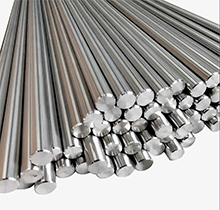
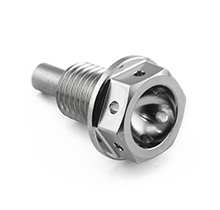
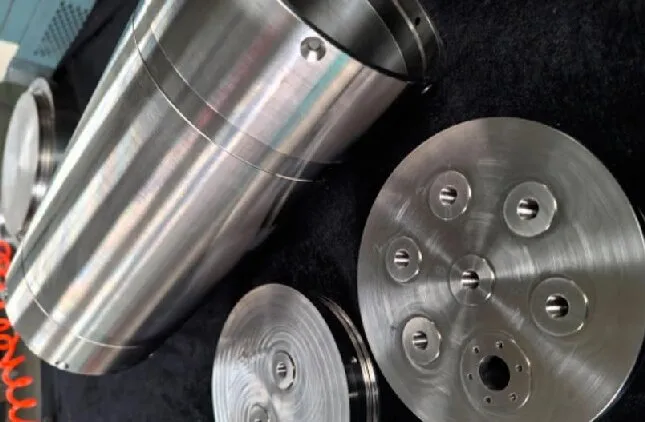
Titanium alloys, known for their high strength, low density, and strong corrosion resistance, are widely used in aerospace, medical, automotive, marine engineering, and various other fields. The special properties of titanium alloys make them an ideal choice for manufacturing high-performance components, especially in environments requiring high temperature resistance, corrosion resistance, and lightweight properties. This article will focus on the titanium alloys lists and explore their applications in titanium machined parts.
Titanium Alloys Lists
Titanium alloys can be categorized based on their alloy composition and structure into the following types:
α Titanium Alloys
α titanium alloys are based on pure titanium, mainly composed of the α phase structure, and have excellent corrosion resistance and high-temperature performance. These alloys typically have good machinability and can maintain strength at high temperatures. Common α titanium alloys include the α portion of Ti-6Al-4V and other enhanced versions through alloying treatments. Due to their excellent high-temperature performance and corrosion resistance, α titanium alloys are widely used in the aerospace industry, particularly for components exposed to high temperatures and oxidative environments long-term.
β Titanium Alloys
β titanium alloys are based on the β phase structure, characterized by higher strength and better formability. β phase titanium alloys are typically stronger than α titanium alloys and have better weldability. In some applications, β titanium alloys can be strengthened through heat treatment, enhancing their hardness and strength. Common β titanium alloys include Ti-15V-3Cr-3Al-3Sn. These alloys perform exceptionally well in high-strength demanding environments, such as critical components in aircraft engines.
α+β Titanium Alloys
α+β titanium alloys are a combination of both α and β phases, balancing the advantages of both. These alloys usually have a good balance of strength and plasticity, making them widely used in high-load applications. Ti-6Al-4V alloy is the most typical α+β titanium alloy, widely applied in aerospace, medical implants, marine engineering, and other fields. Due to its strong mechanical properties and excellent corrosion resistance, Ti-6Al-4V has become one of the most widely used titanium alloys globally.
Special Titanium Alloys
In addition to the common titanium alloys mentioned above, there are special purpose titanium alloys, such as high-temperature titanium alloys and marine engineering titanium alloys. These alloys usually contain higher proportions of aluminum, molybdenum, zirconium, etc., to enhance their corrosion resistance, oxidation resistance, and mechanical properties in extreme environments. For example, Ti-8Al-1Mo-1V alloy is specifically designed for high-temperature environments and can withstand prolonged high-temperature oxidation.
Applications of Titanium Alloys in Titanium Machined Parts
The extensive use of titanium alloys is attributed to their excellent performance, making them an ideal material for many high-precision processed parts. During the processing of titanium alloys, precision machining techniques such as CNC lathes and milling machines are commonly used to manufacture various complex-shaped parts.
Aerospace Components
In the aerospace field, the lightweight, high strength, and corrosion resistance of titanium alloys make them the preferred material for manufacturing engine parts, airframe structures, wings, and other critical components. Titanium alloys can significantly reduce weight, improve the fuel efficiency of aircraft, and withstand long-term operation in high-temperature and high-pressure environments. Common titanium alloy parts include engine compressor blades, turbine blades, and landing gear components.
Medical Implants
The application of titanium alloys in the medical field, especially as implant materials, is widely recognized. Titanium alloys exhibit excellent biocompatibility with human tissues and do not cause immune rejection reactions, making them suitable for manufacturing various artificial joints, dental implants, spinal fixation devices, and other medical instruments. Titanium alloy processing technology allows these implants to be manufactured precisely to meet human anatomical structure requirements.
Automotive Parts
With the increasing demand for lightweight and high-performance automotive parts, titanium alloys have started to be used in some high-performance automotive components. For example, titanium alloys can be used to manufacture engine valves, exhaust system components, suspension parts, and more. In automobiles, titanium alloys can reduce weight and improve corrosion resistance and durability.
Marine Engineering Parts
Titanium alloys offer significant advantages in marine engineering, particularly in seawater-corrosive environments. They resist chloride corrosion in marine environments, making them suitable for constructing underwater pipelines, offshore platform structures, and other marine engineering facilities. Since many marine engineering devices need to be exposed to underwater environments for extended periods, the corrosion resistance of titanium alloys becomes a critical attribute.
Conclusion
The diversity of titanium alloys allows their broad application in various high-tech fields. Titanium alloys, with their unique physical and chemical properties, show significant potential in manufacturing precision parts and high-strength components from aerospace to medical, automotive, marine engineering, and other industries. As technology advances, titanium alloy processing technology is also continually improving, enhancing the precision and quality of titanium processed parts and making their applications even more extensive. In the future, titanium alloys are expected to play important roles in additional fields.
 English
  日本語
日本語  한국어
한국어  Deutsch
  русский
  العربية