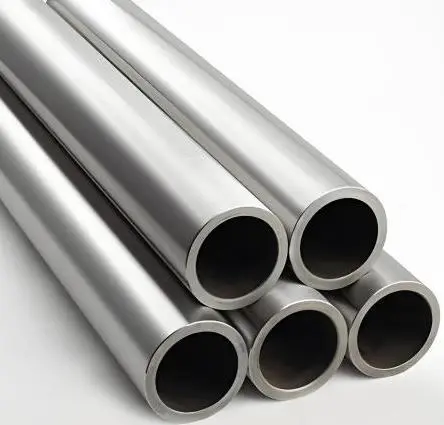
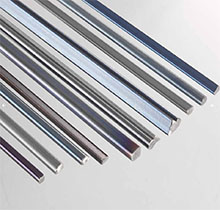
Selecting the appropriate titanium square rod is crucial for the success of any engineering or manufacturing endeavor. As advanced titanium grades become increasingly accessible in 2026, alongside updated standards such as ASTM B348, it is essential to grasp the distinctions among Grade 2, Grade 5, and Grade 23 to ensure an informed material decision. This overview examines the properties, performance characteristics, and optimal uses of each grade, empowering you to choose the most suitable option for your specific needs—whether sourcing titanium square bar stock or custom cuts.
Understanding Titanium Grades and Their Uses
Titanium square rod stands out due to its exceptional combination of lightweight design, impressive strength, and outstanding resistance to corrosion. Nevertheless, variations in alloy composition lead to significant differences in mechanical properties and pricing across grades. In 2026 industrial applications, the most prevalent options include commercially pure and alloyed varieties, each tailored to particular demands. Many suppliers offer titanium square bar in ready-to-ship forms to meet immediate project timelines.
Grade 2 Titanium
Grade 2 titanium, a form of commercially pure titanium, excels in corrosion resistance while offering moderate strength levels. With few alloying elements, it provides high ductility, along with ease of machining and welding. This grade delivers superior corrosion protection compared to many other common options, making it well-suited for environments involving marine settings, chemical processing, or medical equipment. Its formability and fabrication advantages further distinguish it from more heavily alloyed alternatives. Common uses encompass marine shafts, heat exchangers, architectural elements, and desalination systems.
Grade 5 Titanium
Known as Ti-6Al-4V, Grade 5 titanium is an alpha-beta alloy that delivers an outstanding strength-to-weight ratio and strong performance at elevated temperatures. These attributes position it as the preferred choice for rigorous sectors such as aerospace, motorsports, and defense. It provides roughly double the strength of Grade 2, along with excellent fatigue and creep resistance, while maintaining adequate corrosion protection for numerous conditions. Typical applications include aircraft frames, jet engine parts, medical implants, and high-performance automotive components—often specified when ordering titanium square bar for structural demands.
Grade 23 Titanium (Ti-6Al-4V ELI)
Grade 23, or Ti-6Al-4V ELI (Extra Low Interstitial), represents a higher-purity variant of Grade 5, preserving the core alloy structure while boosting fracture toughness and biocompatibility. This enhanced purity supports its use in medical and cryogenic contexts, offering improved ductility over standard Grade 5 and compliance with strict standards for implants and aerospace fasteners. It finds frequent application in orthopedic implants, surgical instruments, high-performance valves, and space-related equipment.
Titanium Square Rod Comparison
The following summary highlights key mechanical properties and approximate 2026 market pricing for these popular grades, aligned with ASTM B348 specifications and current trends. Grade 2 (commercially pure titanium) features a tensile strength of around 345 MPa, yield strength of 275 MPa, elongation of 20%, excellent corrosion resistance, and average pricing in the $15–$30 per kg range. Grade 5 (Ti-6Al-4V) shows a tensile strength of approximately 950 MPa, yield strength of 880 MPa, elongation of 10%, good corrosion resistance, and costs typically between $20–$50 per kg. Grade 23 (Ti-6Al-4V ELI) offers a tensile strength of about 900 MPa, yield strength of 830 MPa, elongation of 14%, good corrosion resistance, and pricing from $25–$50 per kg. These figures reflect market observations as of early 2026, with variations depending on suppliers, quantities, and regional factors.
Grade | Alloy Composition | Tensile Strength (MPa) | Yield Strength (MPa) | Elongation (%) | Corrosion Resistance | 2026 Avg. Price (USD/kg) |
Grade 2 | Commercially Pure Ti | 345 | 275 | 20 | Excellent | $20–$30 |
Grade 5 | Ti-6Al-4V | 950 | 880 | 10 | Good | $35–$50 |
Grade 23 | Ti-6Al-4V ELI | 900 | 830 | 14 | Good | $40–$50 |
How to Choose the Right Titanium Grade for Your Project
The ideal titanium square rod grade hinges on your project's performance needs, operating environment, and financial considerations. Opt for Grade 2 when superior corrosion resistance takes precedence, such as in marine, chemical, or architectural projects exposed to seawater or acidic conditions. Select Grade 5 for scenarios demanding peak strength and heat tolerance, particularly in aerospace or motorsport contexts where performance justifies higher costs. Turn to Grade 23 in biomedical or extreme settings that require both robust strength and exceptional purity, including surgical implants or space structures. As a key recommendation, always confirm material certifications against ASTM B348 prior to purchase to guarantee quality and regulatory adherence—especially important when sourcing titanium square bar stock from reliable vendors.
In 2026, titanium square rods continue to serve as a vital element in lightweight, high-performance engineering solutions. Grade 2 shines in corrosion-prone applications, Grade 5 dominates where strength is paramount, and Grade 23 provides superior purity for specialized demands. By carefully weighing mechanical specifications, environmental factors, and budget limitations, you can identify the grade that delivers optimal durability and effectiveness for your project, whether you're working with titanium square bar or other forms.
 English
  日本語
日本語  한국어
한국어  Deutsch
  русский
  العربية