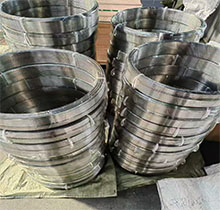
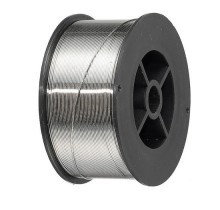
Applications of Titanium Wire
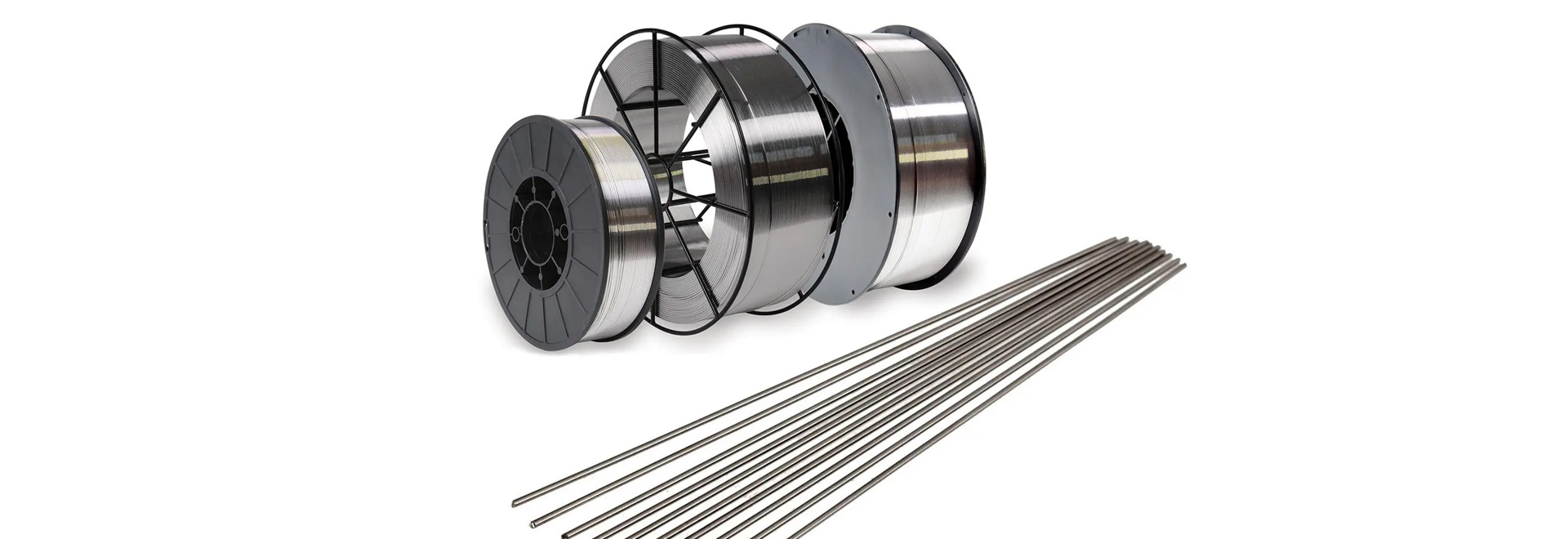
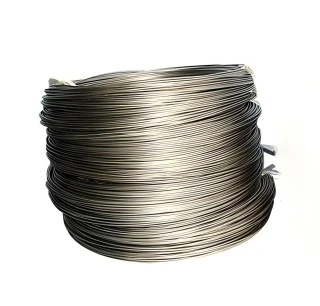
Titanium wire is extensively utilized in aerospace and biomedical fields. It is employed in manufacturing components for vehicles, ships, and structural frameworks like bridges. Titanium welding wire dominates over 80% of welding applications, such as joining pipes, aircraft jet engine turbine disks, and casings. Its superior corrosion resistance makes titanium alloy wire a staple in chemical, pharmaceutical, and papermaking industries. It is also crafted into meshes for filters in chemical processing, seawater purification, and water treatment. Titanium wires are used for fasteners, structural components, and titanium spring wire. Their biocompatibility supports medical devices like pacemakers and defibrillators. Nickel titanium memory wire is ideal for satellite antennas, eyeglass frames, and clothing accessories like bra underwires. Additionally, titanium wires serve as electrodes in electroplating and water treatment industries.
Benefits and Drawbacks of Titanium Wires
Titanium wires surpass alternatives like steel or aluminum due to their lightweight nature, high strength, and exceptional corrosion resistance, making them perfect for aerospace, marine, and medical applications. Their biocompatibility ensures safe use in medical implants without adverse reactions. Titanium TIG wire and titanium alloy welding wire offer ease of use and a high strength-to-weight ratio, requiring less material for robust results. Sourcing from titanium wire suppliers ensures quality for demanding environments, enhancing durability and performance across various industries.
Titanium wire comes with a higher titanium wire price compared to other metals. It is less suitable for extremely high-temperature environments, limiting its use in certain applications. The Kroll process for producing titanium wires involves impurities, which can complicate manufacturing and affect quality.
Properties of Titanium Wires
Pure titanium wire offers high strength and low density, ideal for weight-sensitive applications, with excellent corrosion resistance for harsh environments. Titanium alloy wires, such as 16 gauge titanium wire or 18 gauge titanium wire, provide enhanced strength, ductility, and corrosion resistance, suiting demanding applications like aerospace and medical devices. Properties vary by wire type, enabling tailored solutions for specific needs.
Choosing the Right Titanium Wires
Selecting the appropriate titanium wire requires evaluating the application, material properties, and environmental factors. Commercially pure titanium wire suits projects needing high strength and low weight, while titanium alloy wire is better for superior corrosion resistance. Consider wire diameter to balance strength and flexibility. Partnering with reputable titanium wire manufacturers ensures quality and customization for optimal project outcomes.
 English
  日本語
日本語  한국어
한국어  Deutsch
  русский
  العربية