An MMO titanium anode is a titanium electrode coated with mixed metal oxides to provide electrochemical activity and corrosion resistance for cathodic protection, water treatment, electrolysis and other industrial systems. When comparing MMO anode price, buyers should look beyond dimensions because coating chemistry, catalyst loading, substrate structure, current requirement and expected service life can all influence cost.
Two anodes of similar size may therefore have very different prices if they use different coatings or are designed for different operating environments. Understanding these factors helps engineers and purchasing teams compare MMO products based on performance rather than unit price alone.
What Is an MMO Titanium Anode?
An MMO titanium anode combines a titanium substrate with an electrocatalytic mixed-metal-oxide coating that supports electrochemical reactions while maintaining dimensional stability.
Titanium provides the mechanical substrate and corrosion resistance, while coatings containing ruthenium, iridium, tantalum or combinations of these elements provide electrochemical activity.
Bare titanium naturally forms a passive oxide film, so the catalytic coating is essential for continuous current transfer. Depending on coating composition, MMO coated titanium anodes can be designed for chlorine evolution, oxygen evolution or impressed-current cathodic protection.
Research indexed by the U.S. EPA has examined mixed metal oxide coated titanium electrodes using systems such as IrO₂-Ta₂O₅ and RuO₂-IrO₂, illustrating how different coating compositions influence electrochemical performance.
Common applications include underground pipelines, tank bottoms, marine structures, water treatment equipment, electroplating and industrial electrolysis.
Mesh, Ribbon and Tubular MMO Anode Structures
MMO anodes are manufactured in mesh, ribbon, tubular and plate structures so their active area and current distribution can match different installation requirements.
| MMO Anode Type | Typical Application | Main Advantage |
|---|
| MMO titanium mesh anode | Tanks and electrolysis systems | Large active area |
| MMO ribbon anode | Tank bottoms and distributed CP | Uniform current distribution |
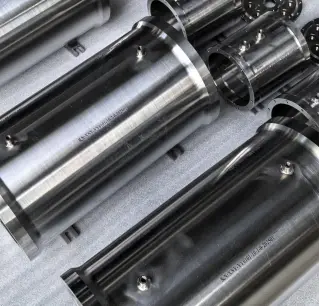
| MMO tubular anode | Soil, water and deep-ground systems | Compact high-output structure |
| Plate anode | Treatment and electrolysis cells | Controlled flat electrode area |
An MMO tubular anode is often considered where relatively high current output is required from a compact structure. Mesh and ribbon configurations spread the active coating over a larger area and can provide more distributed current.
Structure also affects MMO anode price. Larger mesh products require more titanium and coating area, while tubular and customized designs may involve additional forming, welding, sealing and cable-connection work.
Ruthenium, Iridium and Platinum Coating Differences
MMO coating chemistry should be selected according to electrolyte composition, dominant electrochemical reaction, current density and required service life.
A ruthenium iridium titanium anode is commonly considered in chloride-containing environments where chlorine evolution is required. Ruthenium oxide provides high catalytic activity, while iridium can be incorporated to improve coating performance under particular conditions.
Iridium oxide coated titanium anodes are often selected for systems where oxygen evolution and long-term electrochemical stability are important.
A platinized titanium anode is different because it uses metallic platinum on the titanium substrate rather than a conventional mixed-metal-oxide coating. Platinum provides excellent electrochemical performance, but precious-metal loading can make coating thickness an important price factor.
The more expensive coating is not automatically the better choice. The correct coating should match electrolyte chemistry, operating current and expected lifetime.
What Determines MMO Anode Price?
MMO anode price is mainly determined by titanium consumption, coating composition, catalyst loading, geometry, electrical connection design and production requirements.
Major price factors include:
Titanium substrate: Larger, thicker or longer anodes consume more titanium.
Coating chemistry: Ruthenium, iridium and platinum systems have different material costs.
Catalyst loading: Greater coating loading generally increases production cost.
Anode structure: Mesh, ribbon, plate and tubular forms require different fabrication processes.
Cable configuration: Cable length, sealing and feed-point construction influence finished cost.
Testing requirements: Additional coating, dimensional or project-specific inspections can affect pricing.
A lower MMO anode price may therefore reflect lower catalyst loading or a shorter design life rather than better purchasing value.
For industrial projects, buyers should evaluate price together with current output, coating specification and expected service life.
How Application Requirements Affect MMO Anode Price
Application requirements influence MMO anode price because the operating environment determines coating type, current capacity, geometry and electrical protection requirements.
A storage-tank cathodic protection system has different design requirements from an anode used for wastewater oxidation or chlorine generation. Soil resistivity, seawater conditions, chloride concentration and required current output may all change the final configuration.
Higher current demand can require additional active surface area or catalyst loading. Long design life may also justify a heavier coating. Underground or underwater installations can require more robust cable joints and sealing.
System design is equally important. An AMPP cathodic protection case study shows how poor current distribution can contribute to inadequate protection even when an MMO system is present.
For this reason, MMO anode price should be considered together with system geometry, current distribution and lifecycle requirements rather than electrode dimensions alone.
How to Select an MMO Anode for Your Application
Selecting an MMO anode requires matching coating chemistry, anode structure and current output to the actual operating environment.
Before requesting a quotation, buyers should define the application, electrolyte, required current output, anode dimensions, expected service life, coating type, cable configuration and installation conditions.
Cathodic protection projects should also identify soil or water resistivity and required current distribution. Electrolysis applications should specify the expected reaction, electrolyte composition and operating current density.
A ruthenium iridium titanium anode may be appropriate for one chloride-containing system, while another process may require an iridium-dominant coating or even a platinized titanium anode.
Providing complete operating information allows the manufacturer to calculate a meaningful MMO anode price rather than offering a generic price per piece that may not correspond to the project's actual requirements.
Conclusion
MMO anode price depends on much more than physical dimensions. Titanium substrate, mesh or tubular geometry, coating chemistry, catalyst loading, current output, cable design and expected service life all influence manufacturing cost.
An MMO titanium anode designed for cathodic protection may therefore differ significantly from one intended for electrolysis or water treatment. Buyers should compare coating specification, operating conditions and lifecycle performance together instead of selecting the lowest initial price.
MMO Anode Price FAQs
What is an MMO titanium anode?
It is a titanium electrode coated with catalytic mixed metal oxides such as ruthenium or iridium oxides.
Why does MMO anode price vary?
Dimensions, titanium quantity, coating composition, catalyst loading, structure and cable design all affect price.
What is an MMO tubular anode used for?
It is commonly used in cathodic protection where compact geometry and controlled current output are required.
Does thicker MMO coating increase the price?
Usually yes, because greater catalyst loading requires more coating material and processing.
What is the difference between MMO and platinized titanium anodes?
MMO uses mixed metal oxide coatings, while platinized titanium uses a metallic platinum coating.
What information is needed for an MMO anode quotation?
Provide the application, electrolyte, dimensions, current requirement, coating type, design life, cable details and quantity.
 English
  日本語
日本語  한국어
한국어  Deutsch
  русский
  العربية