Selecting the right GR5 titanium plate is critical for industries requiring high strength, excellent corrosion resistance, and lightweight performance. Also known as 6Al 4V titanium plate, GR5 titanium is the most widely used titanium alloy because it offers an outstanding balance of mechanical properties, weldability, and fatigue resistance. It is commonly specified for aerospace, medical, marine, chemical processing, and high-performance industrial equipment.
Whether you are sourcing AMS 4911 plate for aerospace manufacturing or comparing Ti 6Al 4V ELI plate for medical applications, understanding the material's properties, standards, and procurement requirements helps ensure reliable performance and cost-effective purchasing. This guide explains the key characteristics of GR5 titanium plate, common specifications, material differences, and buying considerations.
What Is GR5 Titanium Plate?
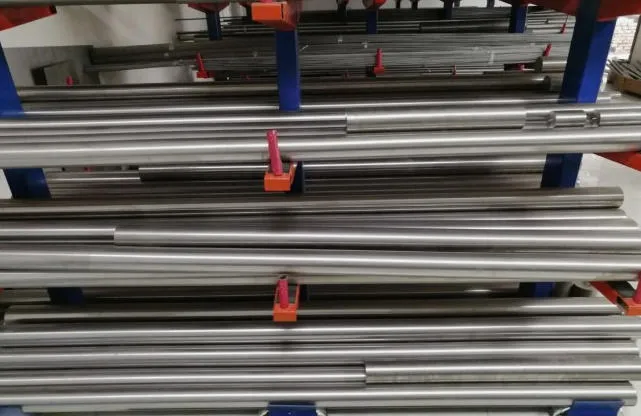
GR5 titanium plate is manufactured from Titanium Grade 5 alloy, containing approximately 6% aluminum and 4% vanadium. This alloy combines high tensile strength with low density, making it one of the most popular engineering materials where weight reduction and durability are equally important.
Compared with commercially pure titanium, GR5 titanium plate provides significantly higher strength while maintaining excellent corrosion resistance in seawater, acidic environments, and many industrial chemicals. It also performs well at elevated temperatures, making it suitable for demanding engineering applications.
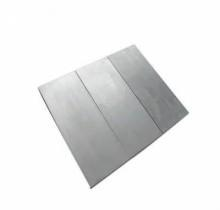
The material is widely known as 6Al 4V titanium plate or Ti 6Al 4V plate, depending on industry terminology and international standards. It is available in multiple thicknesses, widths, and surface finishes to support machining, fabrication, and welding requirements.
GR5 Titanium Plate Chemical and Mechanical Properties
The popularity of GR5 titanium plate comes from its outstanding combination of strength, corrosion resistance, and relatively low weight. These properties allow the material to replace heavier steel alloys in many critical applications.
| Property | Typical Value | Benefit |
|---|
| Density | 4.43 g/cm³ | Lightweight design |
| Tensile Strength | ≥895 MPa | Excellent structural strength |
| Yield Strength | ≥828 MPa | High load capacity |
| Elongation | ≥10% | Good ductility |
| Operating Temperature | Up to approximately 400°C | Reliable high-temperature performance |
In addition to its mechanical performance, Ti 6Al 4V plate offers excellent fatigue resistance and outstanding corrosion protection in marine, offshore, and chemical environments. These advantages make GR5 titanium plate a preferred material for high-performance structural components.
AMS 4911 and Other Common Specifications for GR5 Titanium Plate
Various international standards define the manufacturing and inspection requirements for GR5 titanium plate. The required specification depends on the intended application, industry, and customer requirements.
The most widely recognized standard is AMS 4911 plate, which is extensively used in aerospace manufacturing because it specifies strict chemical composition, mechanical properties, heat treatment, and inspection requirements. ASTM B265 is another common standard covering titanium plate products for industrial applications.
Other specifications may apply depending on medical, marine, or defense projects. When ordering 6Al 4V titanium plate, buyers should confirm the applicable standard, certification requirements, dimensional tolerances, ultrasonic testing, and documentation before production begins.
Selecting material that complies with recognized standards helps ensure consistent quality and simplifies international procurement.
GR5 Titanium Plate vs Ti 6Al 4V ELI Plate
Although both materials belong to the same titanium alloy family, GR5 titanium plate and Ti 6Al 4V ELI plate are designed for different performance requirements.
Ti 6Al 4V ELI plate contains lower levels of oxygen and interstitial elements than standard Grade 5 titanium. This cleaner chemistry improves fracture toughness and ductility, making it particularly suitable for medical implants, surgical instruments, and cryogenic applications.
The main differences include:
GR5 titanium plate provides excellent overall strength for industrial and aerospace applications.
Ti 6Al 4V ELI plate offers higher toughness and improved biocompatibility.
ELI material is commonly selected for medical and low-temperature service.
Standard Grade 5 is generally more economical for structural engineering applications.
Choosing between the two materials depends on the application's mechanical requirements, service environment, and applicable industry standards.
How to Specify GR5 Titanium Plate for Procurement
A complete technical specification helps manufacturers supply the correct GR5 titanium plate while reducing production delays and unnecessary costs.
When preparing a purchasing inquiry, buyers should provide the following information:
Required plate thickness, width, and length.
Material grade, such as GR5 titanium plate or Ti 6Al 4V ELI plate.
Applicable standards, including AMS 4911 plate or ASTM B265.
Surface finish, flatness, and dimensional tolerance requirements.
Quantity, certification documents, and inspection requirements.
Working with experienced manufacturers helps ensure consistent product quality, complete traceability, and reliable delivery. BYCTI supplies high-quality GR5 titanium plate products with customized dimensions, strict quality inspection, and technical support for aerospace, medical, marine, and industrial applications.
FAQ About GR5 Titanium Plate
Why is GR5 titanium plate so widely used?
It combines high strength, low weight, excellent corrosion resistance, and good weldability, making it suitable for many industries.
What is the difference between GR5 and Ti 6Al 4V ELI plate?
ELI material has lower oxygen content and better toughness, making it ideal for medical and cryogenic applications.
Is AMS 4911 only used in aerospace?
It is mainly specified for aerospace components but may also be used wherever high-quality Grade 5 titanium is required.
Can GR5 titanium plate be supplied in custom sizes?
Yes. Thickness, width, length, and surface finish can all be customized according to project requirements.
What information should be included in an RFQ?
Include the material grade, dimensions, applicable standard, quantity, certification requirements, and any special inspection or machining requirements.
 English
  日本語
日本語  한국어
한국어  Deutsch
  русский
  العربية